

Nottingham Umrah Packages
Flight
Makkkah
Madina
Trasnport
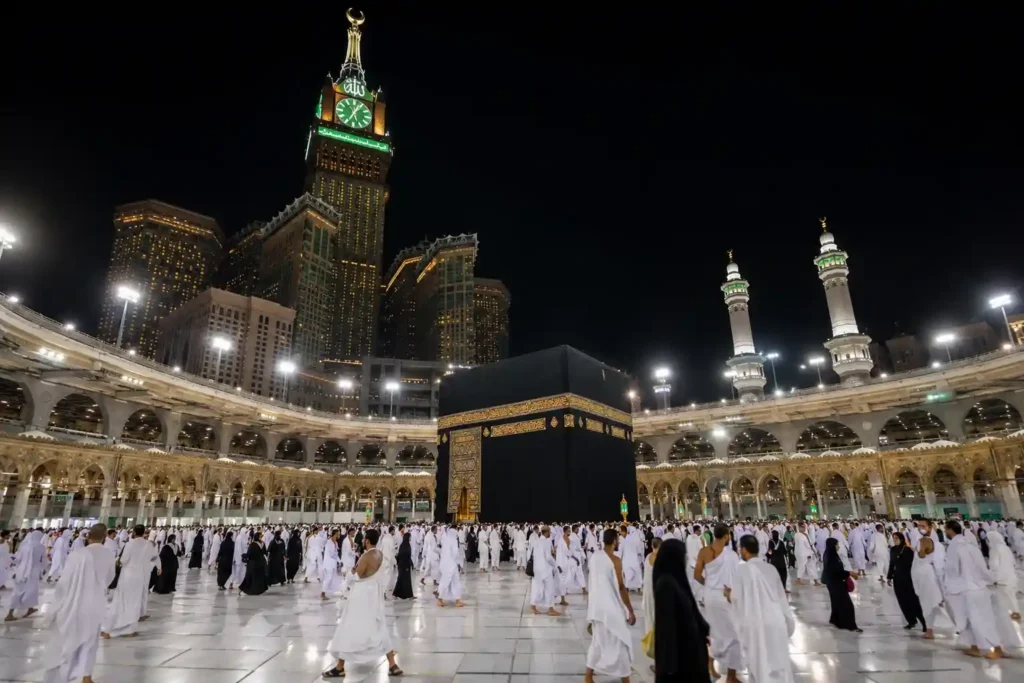
Introduction
We provide premium Umrah services designed to support you from the moment you begin your journey until you safely return home. Unlike standard service providers, we stay with you 24/7 throughout your entire Umrah experience, ensuring complete guidance, comfort, and peace of mind at every step.
No matter your package or budget, we treat every client with the same level of care and premium service. Our goal is to make your spiritual journey to Makkah and Madinah smooth, stress-free, and truly memorable with dedicated support before, during, and after your sacred trip.
What's Included
Enjoy a hassle-free Umrah journey with visa processing, flights, accommodation, transfers, and complete travel support included.
Visa
Complete Umrah visa processing with expert assistance for a smooth and stress-free journey.
Return Flights
Comfortable return flights with trusted airlines, ensuring a convenient travel experience.
Ground Transfers
Reliable airport and local transportation services throughout your Umrah trip.
Ticket
Confirmed flight tickets with flexible travel arrangements tailored to your needs.
3–4 People Sharing
Comfortable shared accommodation options designed for convenience and affordability.
Peace
Perform your Umrah with complete peace of mind while we manage all travel arrangements.
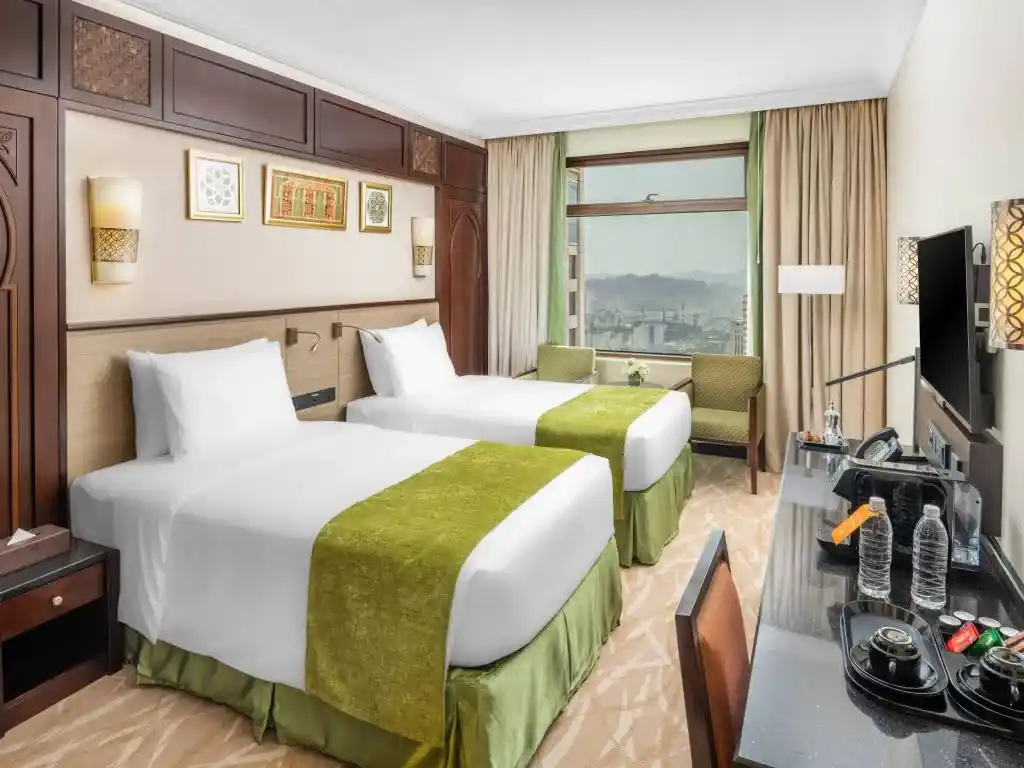
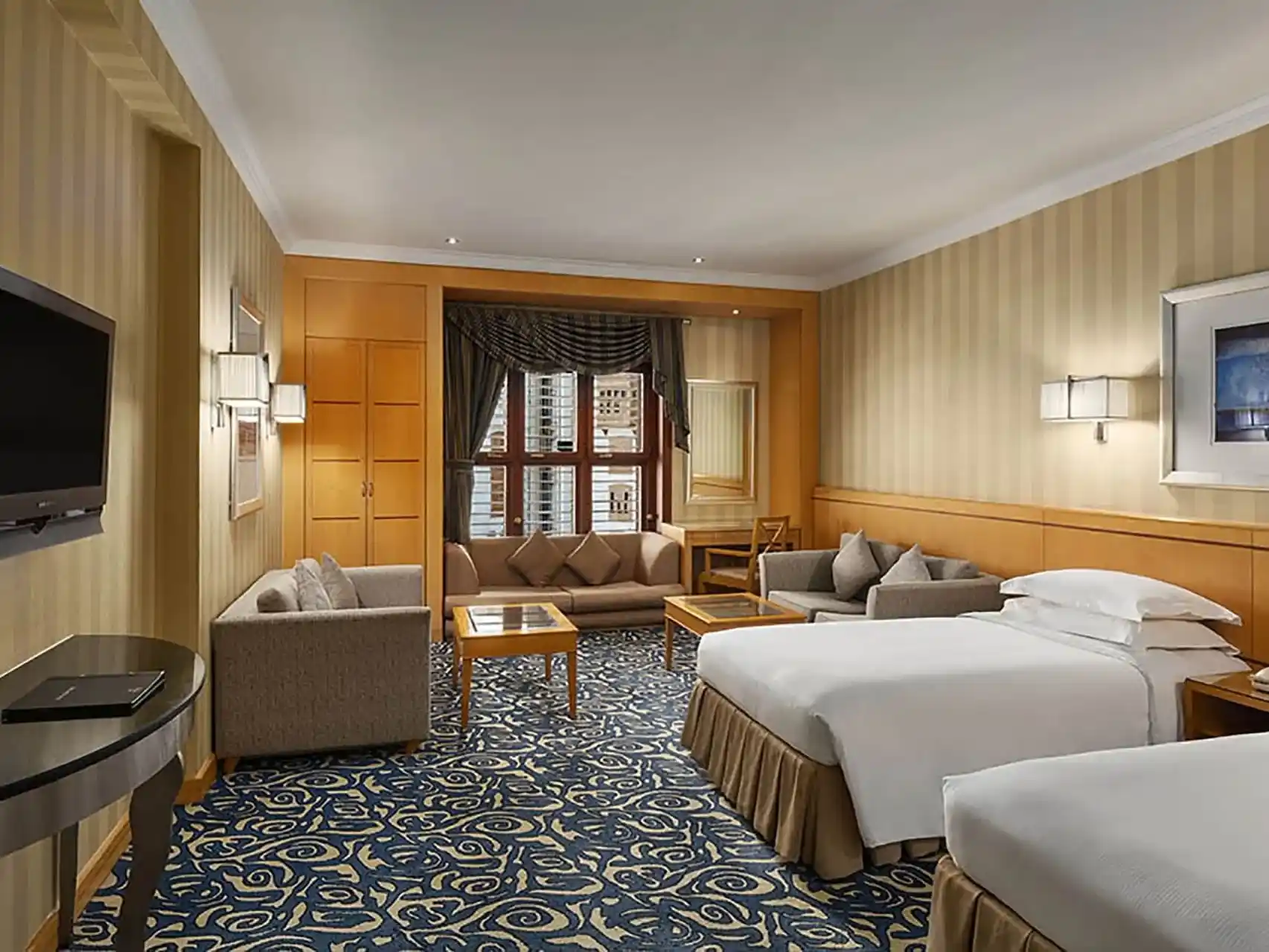
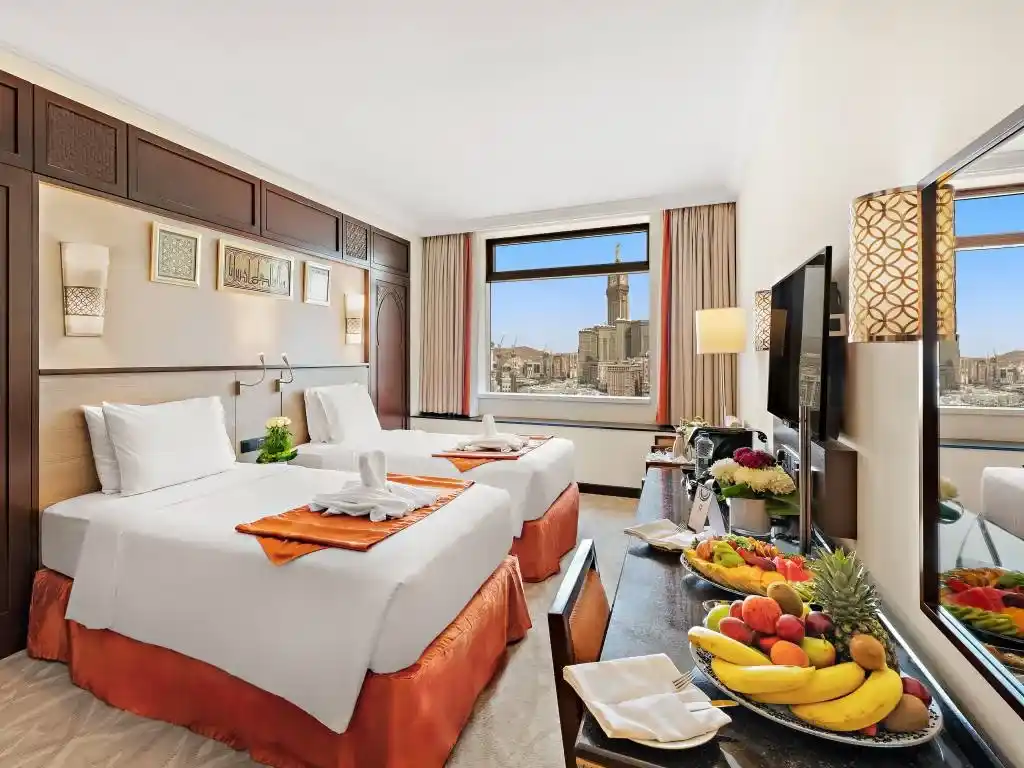
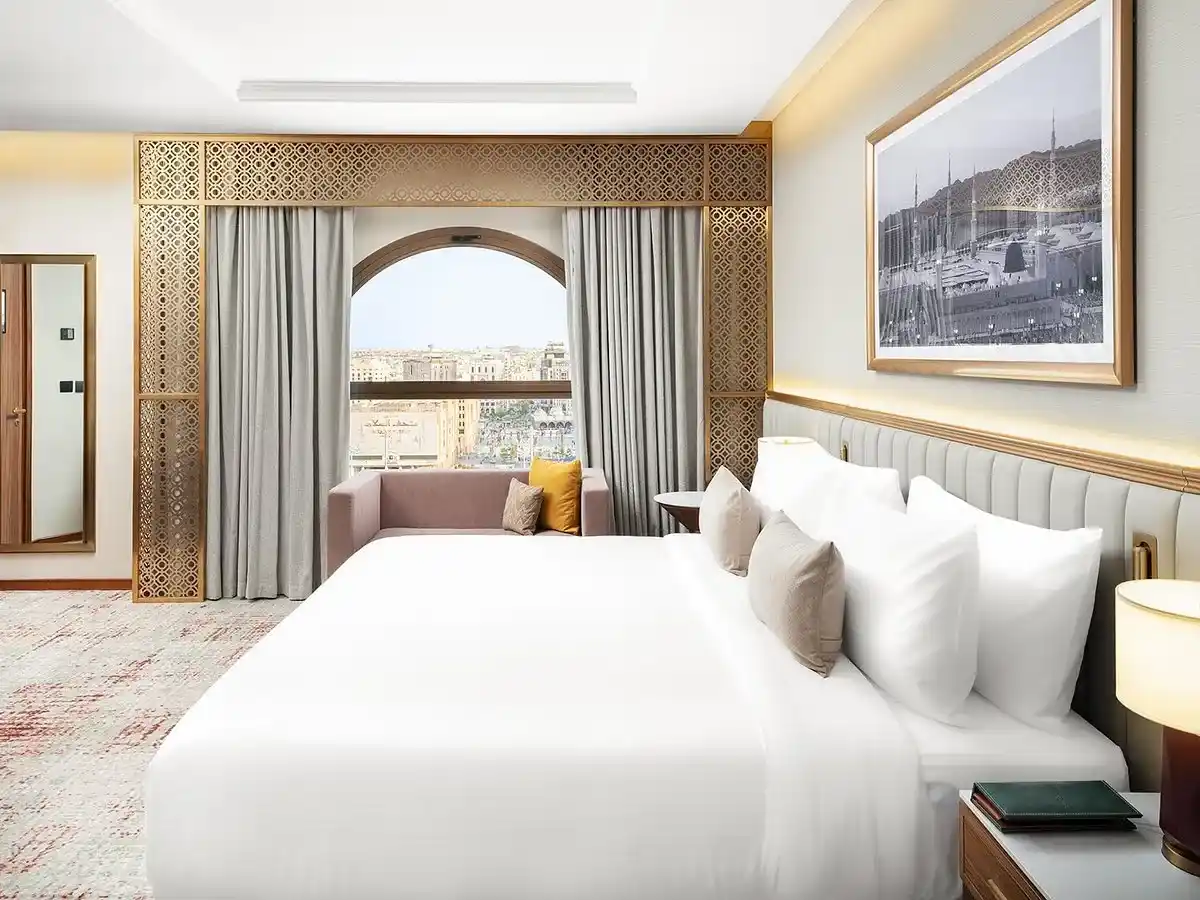
Hotels in Makkah
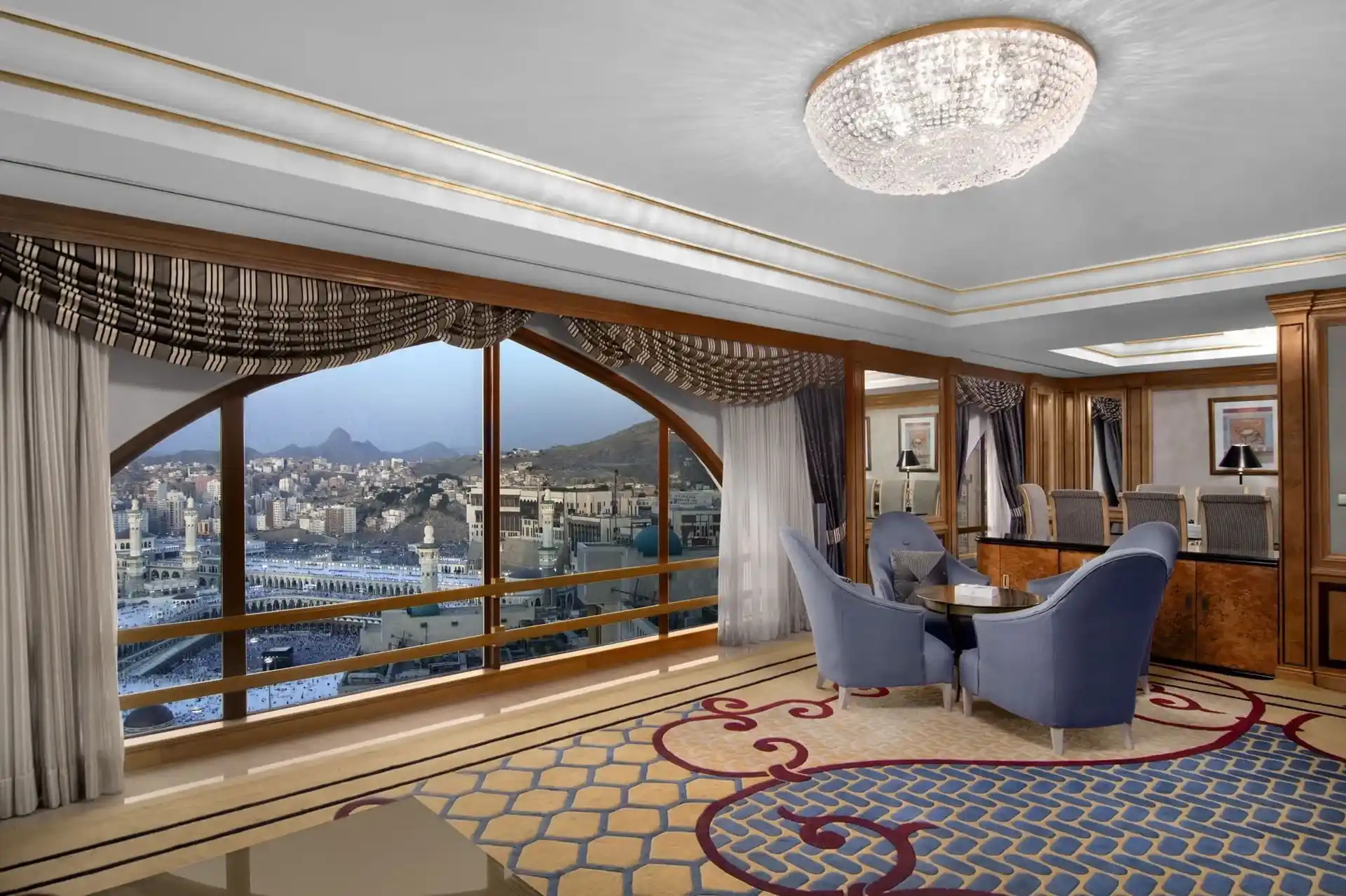
Stay in premium hotels in Makkah offering comfortable accommodation, modern amenities, and easy access to Masjid al-Haram. Whether you are visiting for Umrah or Hajj, enjoy exceptional hospitality, spacious rooms, and a peaceful stay near the Holy Kaaba.
Free Wi-Fi
Comfort
Shuttle Service
4km Walk
Break Fast
Return Ticket
Hotels in Madina
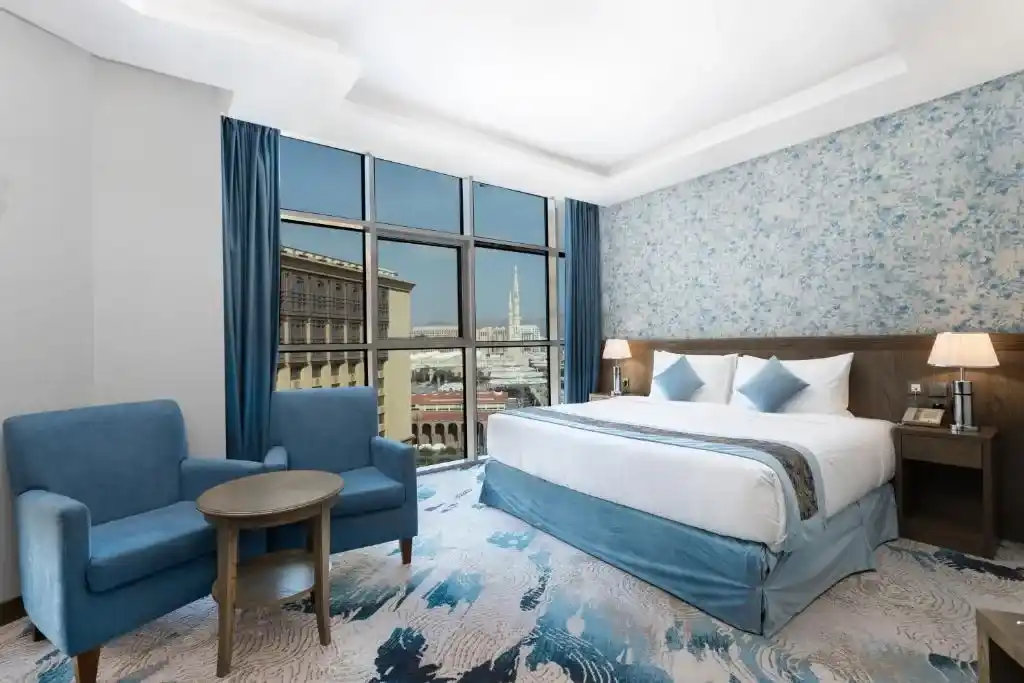
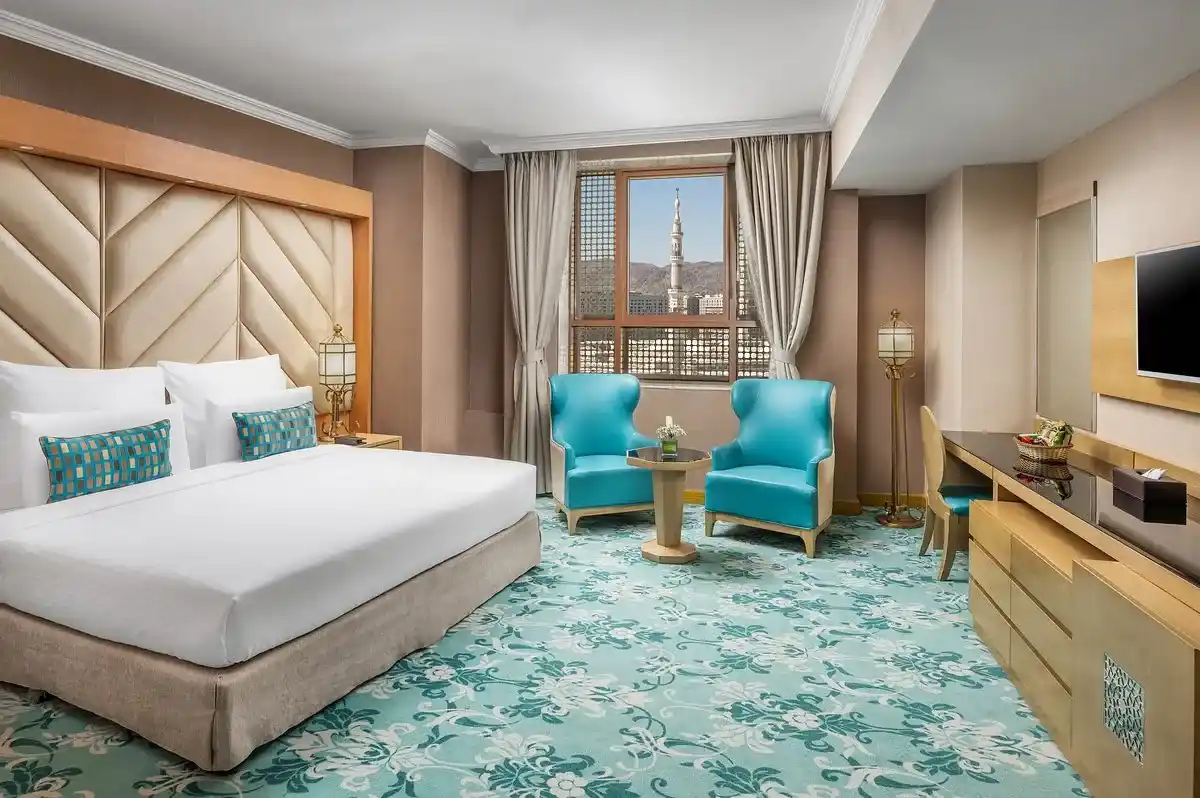
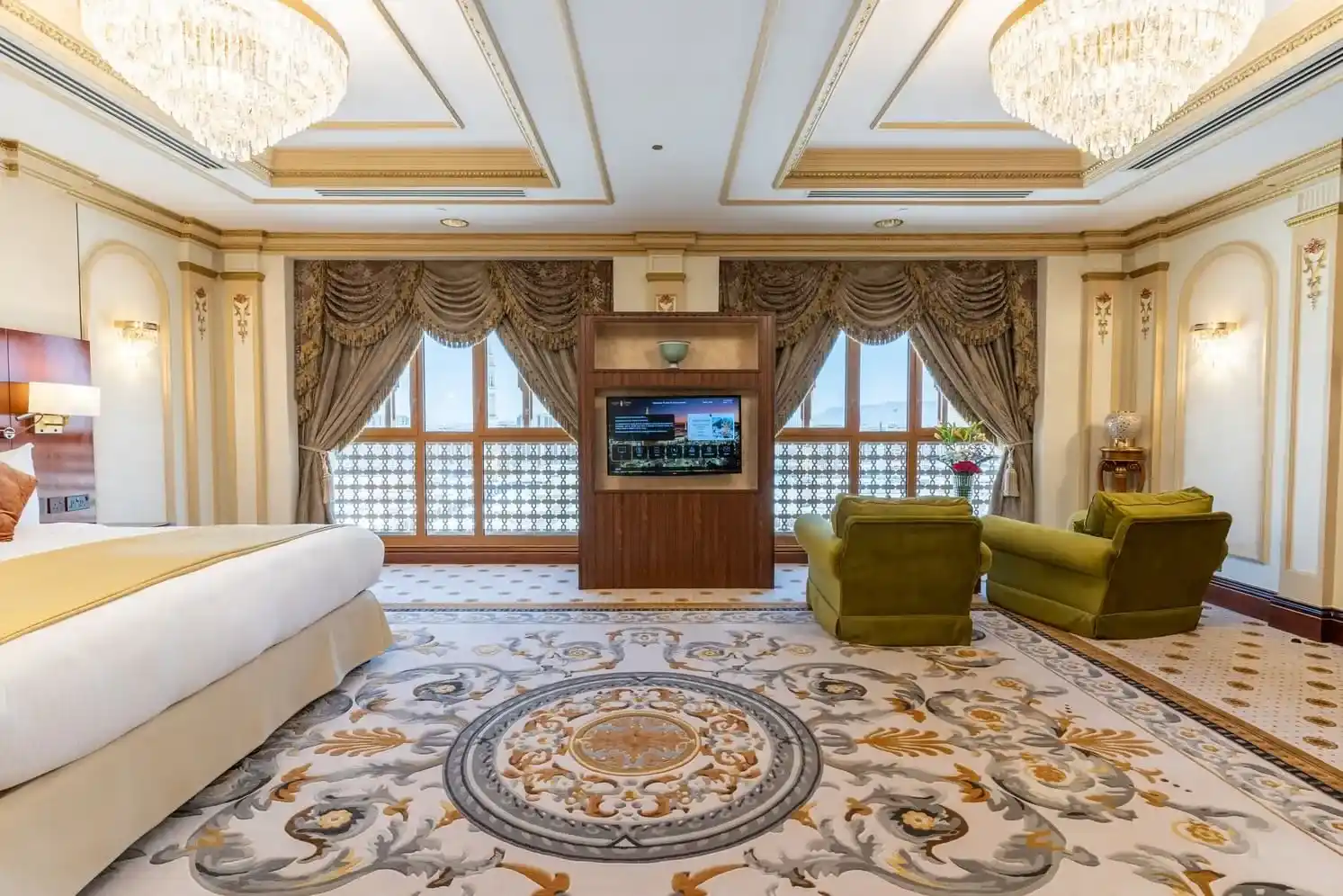
Discover the best hotels in Madinah offering comfortable stays, modern facilities, and close proximity to Al-Masjid an-Nabawi. Whether you are visiting for Umrah, Hajj, or a spiritual journey, enjoy exceptional hospitality and a peaceful atmosphere near the Prophet’s Mosque.
Free Wi-Fi
Comfort
Shuttle Service
4km Walk
Break Fast
Return Ticket
More Than Just Umrah Packages
Every package we sell includes guided Ziyarat in both cities. Prices start at £499 per person for 7 nights, and the Ziyarat is in that figure rather than sold to you at the hotel desk on day three.
Before the list of sites, one thing worth being clear about, because a lot of pages are not.
Umrah is four things. Entering the state of Ihram, performing Tawaf, performing Sa’i, and shaving or shortening the hair. That is the whole rite. Complete those and your Umrah is complete, whether you visit a single other site or none at all.
Ziyarat is voluntary visiting of places connected to the Prophet, peace be upon him, and to early Islamic history. It is permitted, plenty of people find it valuable for reflection, and it is not required of you.
We say this at the top because it changes what you should expect. If a package sells Ziyarat as though it completes your Umrah, that is a misunderstanding of the rite, and it usually goes along with a tour that is worth less than it sounds.
Quick answer Guided Ziyarat in Makkah and Madinah is included in every package. From £499pp for 7 nights. Ziyarat is not one of the rites of Umrah. It is voluntary visiting, and your Umrah is complete without it. The one site with a specific narrated virtue attached is Masjid Quba, and most tours rush it. There is a section on this below. The Cave of Hira climb is genuinely hard and most tours only stop at the bottom. We tell you before you book, not after. Hold any package with a £99 deposit. Packages Umrah, 7 Huxley Avenue, Manchester M8 0SJ. WhatsApp or call +44 7737 144 335. |
Three quite different things get sold under the same words. Work out which one you are being offered.
Air conditioned transport, a guide who can actually tell you what you are looking at, and enough time at each stop to be there rather than photograph it. Both cities. Cost inside the package price.
Meaning it exists and you can buy it locally, usually in cash, from whoever is at the hotel desk. Sometimes fine. Often more expensive than it should be, and the quality depends entirely on which driver you get.
This is the one to watch for. A minibus takes twenty people past four sites over three hours. At each one you are given ten minutes in a car park, somebody points at a hill, and you take a photograph.
It is not a scam. It is just worth much less than the word Ziyarat suggests, and it is what a great many included tours actually are.
Ask how long the tour spends at Masjid Quba specifically. Anyone running a real tour will tell you the pilgrims get out, make prayer and take their time. Anyone running a drive-by will be vague, because at Quba the difference is obvious.
If you take one thing from this page, take this.
Masjid Quba in Madinah is the first mosque built in Islam. The Prophet, peace be upon him, laid its foundation himself on arriving after the Hijra.
It is also the only site on a standard Ziyarat itinerary with a specific narrated virtue attached to praying there. The narration, reported by Ibn Majah, is that whoever purifies himself in his house, then comes to Masjid Quba and prays in it, will have a reward like that of an Umrah.
Two things, and both are actionable.
First, make wudu at your hotel before you leave, rather than at the mosque. The narration specifically mentions purifying at home. It costs you nothing and most tours never mention it.
Second, you need enough time to actually pray there, not ten minutes for a photograph outside. Two rak’ahs, unhurried, is the entire point of the stop.
Quba is the longest stop on our Madinah Ziyarat, deliberately. Your guide tells the group to make wudu before leaving the hotel and explains why. Everybody gets out, everybody has time to pray.
It is a small thing and it is the difference between a tour and a coach trip.
Different scholars discuss the conditions and the wording of this narration in different ways. We are a travel agency and not a body of scholars, so take the practical arrangement from us and take the religious detail from someone qualified. Your local imam is a better source than any Umrah website, including this one.
Typically a half day, three to five hours depending on traffic. Done after you have completed your Umrah, not while you are in Ihram.
The mountain holding the cave where the first revelation came. It is the site everybody wants and the one most misunderstood.
Standard tours stop at the base. You see the mountain, you hear the history, you photograph it. Climbing to the cave is a separate undertaking and there is a section on it below, because people book this expecting a stroll.
The mountain holding the cave where the Prophet, peace be upon him, and Abu Bakr, may Allah be pleased with him, sheltered during the Hijra. Visited from the road. The climb here is harder than Hira and very few tours attempt it.
The Hajj sites, driven through rather than walked. Outside the Hajj season they are largely empty, which surprises people, and seeing them empty is a genuinely useful thing if you are planning Hajj later.
At Arafat you will see Jabal al-Rahmah, where the Prophet, peace be upon him, delivered the farewell sermon.
The historic cemetery of Makkah. Among those buried there is Khadijah, may Allah be pleased with her.
The Miqat for anyone already in Makkah who wants to perform a further Umrah. Practical rather than sightseeing, and worth knowing where it is if you plan to go again during your stay.
Included on some itineraries depending on time and traffic.
Our blog has a detailed Makkah Ziyarat guide covering the background of each place properly. This page is about what the tour actually delivers. That one is about what you are looking at.
Also typically a half day. Madinah Ziyarat is the better of the two in most people’s experience, because the sites are closer together, the walking is flat, and you can go inside several of them rather than viewing from a coach.
Covered above. The longest stop and the one to prepare for.
The mosque where the direction of prayer was changed from Jerusalem to the Kaaba. You go inside.
The site of the Battle of Uhud, and the resting place of those who fell there including Hamza, may Allah be pleased with him. There is a viewing area and space to make dua.
Of everything on either itinerary, this is the stop people most often say they wanted longer at.
A cluster of small historic mosques near the site of the Battle of the Trench. Worth knowing that several have been rebuilt or replaced over the years and the attributions of some are discussed differently by different historians. Your guide should say so rather than presenting everything as settled.
Where the first Friday prayer after the Hijra was offered. Near Quba and usually visited on the same run.
The cemetery beside Masjid an-Nabawi, holding many of the Companions and members of the Prophet’s household, peace be upon him. It is within walking distance of the mosque rather than needing the coach.
Men may enter during opening hours to make dua for those buried there. Access arrangements for women vary and have changed more than once, so check the current position when you arrive rather than relying on anything written months earlier, including this.
The Miqat for those travelling from Madinah to Makkah, about 9 km out. If your itinerary takes you to Madinah first you will stop here anyway to enter Ihram, so it may not appear on the Ziyarat tour separately.
Most Madinah tours finish at a date farm or the market. Commercial rather than religious, and enjoyable, and you will buy more dates than you intended.
Offered by many operators and worth being straight about. It is a place outside Madinah where a car left in neutral appears to roll uphill. It is a well-documented optical illusion caused by the surrounding landscape, of a kind found in many countries.
People enjoy it and there is no harm in going. It is not a religious site and it has no basis in the sources, so we do not present it as Ziyarat. If you want to go, ask and we will arrange it as what it is.
This is the section we most want people to read, because it is a safety matter rather than a preference.
Jabal al-Noor is a steep rocky mountain and the cave sits near the top. The ascent takes most reasonably fit people somewhere between one and two hours, and the descent is harder on the knees than the climb is on the lungs.
There are steps for parts of it and rough ground for others. There is limited shade. In summer the rock holds heat long after sunset.
Anyone with a heart condition, breathing difficulty, or knee, hip or back problems. Most people over about sixty five. Anyone who does not walk regularly at home. Anyone travelling alone who has not told somebody where they are.
Every year there are medical incidents on that mountain, and heat is the common factor in most of them.
Go at night or before Fajr, not during the day. Take considerably more water than you think you need. Wear proper shoes rather than sandals. Go with somebody. Allow four hours door to door rather than two.
Our Makkah Ziyarat visits the base of Jabal al-Noor. The climb is not part of the tour and no reputable operator includes it in a half-day group itinerary, because a coach cannot wait three hours for one person.
If climbing is important to you, tell us at booking. We will build it into your trip as a separate arrangement on a day that suits, rather than you discovering at the base that it was never going to happen.
A visitor and cultural development has been built at the base in recent years, so the experience there is more organised than it was a decade ago. Worth an hour even if you are not climbing.
We are a travel agency reporting widely held guidance here, not issuing religious rulings. Where any of this matters to you, ask someone qualified.
Visiting these places to reflect on what happened there is one thing. Seeking blessing from the stones, structures or soil themselves is treated very differently, and the second is what most scholarly guidance cautions strongly against.
In practice this means not touching, rubbing or kissing walls, pillars, rocks or grilles, not taking soil or stones away, and not tying cloth or leaving objects at any site.
The commonly taught position is that you make dua for those buried there, rather than directing any request to them. Face away from the graves when supplicating rather than toward them, and keep your voice down.
These same concerns are the reason the Saudi authorities limit or supervise access at several locations, and the reason some historic structures have been left unmarked. Whatever view you take of that policy, understanding the reasoning helps make sense of what you find when you arrive.
Not every site shown on a Ziyarat tour has a settled historical attribution. Some structures have been rebuilt several times, some identifications are debated among historians, and a few stops on some itineraries have very little behind them.
A good guide will tell you which is which. A poor one presents everything with the same certainty. We would rather our guides say honestly that something is uncertain.
Generally permitted outdoors at most sites and restricted or prohibited inside some. Follow the signage and the guide, and be careful about photographing other pilgrims without asking.
After your Umrah, not before, and not while you are in Ihram. In Makkah that generally means day four or five of a ten night trip, once you have recovered from the flight and completed the rite.
Three to five hours per city on a standard half-day tour, depending on traffic and how many stops are on the itinerary. Full-day options exist and are worth it in Madinah more than in Makkah.
Early morning, without exception, if you have the choice. Cooler, quieter, better light, and you are back at the hotel before the heat peaks. An afternoon Ziyarat in July is an endurance event.
Normal modest clothing rather than Ihram. Comfortable shoes you can walk in and take off easily, because you will be entering several mosques.
Madinah Ziyarat is manageable for most older pilgrims. The sites are close together, the ground is flat, and there is somewhere to sit at each one.
Makkah Ziyarat involves more time in the vehicle and more uneven ground. It is doable, and we would suggest the shorter itinerary and an early start.
Madinah again is the easier one. Uhud and the date farm hold their attention. Makkah is a lot of sitting in traffic looking at hills, which is a hard sell to an eight year old.
Our guides work in English and Urdu. If your group needs Arabic or another language, tell us at booking and we will arrange what we can rather than promising on the day.
Available if you want it, and worth it in two situations. If somebody in your party has mobility needs and cannot keep to a coach schedule, or if you want proper time at two or three sites rather than fifteen minutes at eight.
Hotel tier | 7 nights | 10 nights | 12 nights | 14 nights |
|---|---|---|---|---|
3 Star | From £499 | From £545 | From £579 | From £625 |
4 Star | From £629 | From £679 | From £715 | From £769 |
5 Star | From £690 | From £745 | From £790 | From £825 |
Per person, quad sharing, off-peak departures. Includes return flights, both hotels, the Saudi visa, all three transfers, and guided group Ziyarat in Makkah and Madinah. Ramadan, Christmas and school holidays price higher.
Group Ziyarat in both cities, air conditioned transport, and a guide working in English or Urdu. That is standard on every package rather than an upsell.
A private vehicle rather than the group coach. An extended or full-day itinerary. A separate arrangement to climb Jabal al-Noor. Wadi-e-Jinn if you want it. Anything you buy at the date farm, which will be more than you planned.
We quote each of these as a figure rather than saying available on request, because available on request usually means priced on the day.
We check comparable UK packages every month and sit £20 under the lowest we can find for the same nights and the same hotel tier. When comparing, check whether the other quote includes Ziyarat in both cities or only one, because one city is the common trick.
Tier detail: 3 star, 4 star, 5 star, and the luxury range.
Ziyarat is one of the better arguments for a longer package, because on a short trip it competes directly with time at the Haram.
Package | Realistic Ziyarat | The trade-off |
|---|---|---|
7 nights | One half day, usually Madinah | A Makkah tour costs you a Haram day |
10 nights | Both cities, half day each | Comfortable. This is the usual answer |
12 nights | Both cities, one extended | Room to do Uhud or Quba properly |
14 nights | Both cities plus extras | Time for the Hira climb if you want it |
21 days | Everything, unhurried | Nothing competes for the time |
Madinah. The sites are closer together, you go inside rather than viewing from a coach, and Quba is there.
Duration pages: 10 nights, 14 nights, 21 days, or the 7 night 3 star package.
Balance due eight weeks before departure. More on what a full package contains on the flights and hotel page, and on the visa and permits on the visa page.
Comparing quotes? Ask whether theirs includes Ziyarat in both cities. Beat My Quote.
Grouped by topic. Direct answer first, detail underneath where it earns its place. Where anything touches on religious guidance, we report what is widely taught and point you to someone qualified.
No. Umrah is Ihram, Tawaf, Sa’i and shaving or shortening the hair. Ziyarat is voluntary visiting and your Umrah is complete without it.
Because standing where these events happened does something that reading about them does not. That is the honest reason, and it is enough.
Yes, guided group Ziyarat in both Makkah and Madinah, in every package, at no extra charge.
No, and some include only one city. That is the most common gap when you are comparing quotes.
Visiting. In this context, visiting places connected to the Prophet, peace be upon him, and to early Islamic history.
Three to five hours per city on a standard half day, depending on traffic and the number of stops.
After you have completed your Umrah, not while you are in Ihram.
No. Normal modest clothing, and comfortable shoes you can slip off at the mosques.
Madinah, almost always. Makkah depends on your expectations, because much of it is viewed from the vehicle.
It is the first mosque built in Islam, and the only site on a standard itinerary with a specific narrated virtue attached to praying there.
Reported by Ibn Majah, that whoever purifies himself in his house then comes to Masjid Quba and prays in it will have a reward like that of an Umrah.
Make wudu at your hotel before you leave rather than at the mosque, and make sure your tour gives you time to actually pray there.
Long enough to get out, pray two rak’ahs unhurried, and sit for a moment. Ten minutes in a car park does not do it.
Ask how long their tour spends at Quba specifically. A real answer or a vague one tells you everything.
Scholars discuss the wording and the conditions in different ways. Take the practical arrangement from us and the religious detail from your imam.
Yes, there is a designated women’s section.
Jabal al-Noor, Jabal Thawr, Mina, Muzdalifah, Arafat, Jannat al-Mu’alla and Masjid Aisha at Taneem, with others depending on time.
The mountain holding the Cave of Hira, where the first revelation came.
Not on a standard tour. The coach stops at the base. Climbing is a separate undertaking.
The mountain holding the cave where the Prophet, peace be upon him, and Abu Bakr sheltered during the Hijra. Viewed from the road.
Because they are Hajj sites and outside the Hajj season nothing happens there. Seeing them empty is genuinely useful if you plan Hajj later.
The hill at Arafat where the farewell sermon was delivered.
The historic cemetery of Makkah. Khadijah, may Allah be pleased with her, is among those buried there.
The mosque at Taneem, the Miqat for anyone already in Makkah who wants to perform a further Umrah.
Yes, more than Madinah. A good deal of it is viewing from the vehicle rather than getting out.
The location is pointed out on some itineraries. There is no visitor access of the kind people expect.
Masjid Quba, Masjid al-Qiblatain, Mount Uhud, the Seven Mosques, Masjid al-Jumu’ah and usually a date farm.
The mosque where the direction of prayer was changed from Jerusalem to the Kaaba. You go inside.
The site of the Battle of Uhud and the resting place of the martyrs including Hamza, may Allah be pleased with him.
Uhud, by a distance. If you are considering a private tour, this is the reason.
A cluster of small historic mosques near the site of the Battle of the Trench. Several have been rebuilt and some attributions are discussed differently by different historians.
Where the first Friday prayer after the Hijra was offered. Near Quba, usually the same run.
Most people say yes. The sites are closer together, the walking is flat, and you go inside rather than viewing from a coach.
Usually at the end. Commercial rather than religious, and you will buy more dates than you planned.
The cemetery beside Masjid an-Nabawi holding many Companions and members of the Prophet’s household, peace be upon him.
No, it is within walking distance of the mosque, with the entrance on the eastern side.
Access arrangements for women have varied and changed more than once. Check the current position when you arrive rather than relying on anything written in advance.
It opens for periods around certain prayers rather than all day, and the times shift. Ask at the hotel on the day.
The commonly taught practice is to make dua for those buried there, keep your voice low and behave with restraint.
Generally discouraged and sometimes prohibited. Follow the signage and the staff.
Yes, but not as part of a half-day group tour. It needs its own arrangement.
One to two hours up for most reasonably fit people, and the descent is harder on the knees than the climb is on the lungs.
Genuinely, yes. Steep rocky ground, steps in parts, limited shade.
Anyone with a heart condition, breathing difficulty, or knee, hip or back problems. Most people over about sixty five. Anyone who does not walk regularly at home.
At night or before Fajr. Not during the day, and certainly not in summer daylight.
Far more water than you think, proper shoes rather than sandals, and a companion. Allow four hours door to door.
No, and no reputable operator includes it in a group half day, because a coach cannot wait three hours for one person. Tell us at booking and we arrange it separately.
Yes, a visitor and cultural development has been built there in recent years. Worth an hour even if you are not climbing.
It is harder than Hira and very few tours attempt it. Possible, with the same warnings doubled.
Most guidance cautions strongly against seeking blessing from the structures themselves. In practice that means not touching, rubbing or kissing walls, pillars or rocks, and not taking soil or stones away.
Largely for that reason. The authorities limit or supervise access at several locations, and some historic structures are deliberately left unmarked.
The commonly taught position is to make dua for those buried there rather than directing requests to them, and to keep your voice down.
No. Some attributions are debated and several structures have been rebuilt more than once. A good guide says so rather than presenting everything with equal certainty.
No. That practice is widely discouraged and you will see signs asking people not to.
Someone qualified. We arrange travel. Your local imam is a better source than any Umrah website, this one included.
No. It is a well-documented optical illusion of a kind found in many countries. People enjoy it and there is no harm in going, but it is not Ziyarat.
If you ask, yes, and we will describe it as what it is rather than dressing it up.
Early morning, without exception if you have the choice. Cooler, quieter, and you are back before the heat peaks.
Normal modest clothing and comfortable shoes you can take off easily, because you will enter several mosques.
Madinah, yes for most. Makkah involves more time in the vehicle and rougher ground, so take the shorter itinerary and go early.
Madinah holds their attention better. Makkah is a lot of sitting in traffic looking at hills.
Ask us. A private vehicle is usually the answer rather than the group coach.
English and Urdu. Tell us at booking if you need another and we will arrange what we can rather than promising on the day.
Yes. Worth it if somebody has mobility needs, or if you want real time at two or three sites rather than fifteen minutes at eight.
We quote it as a figure rather than saying available on request. Ask and you get a number.
On a private tour, entirely. On the group tour it is a fixed itinerary.
Outdoors generally yes, inside some sites no. Follow the signage, and ask before photographing other pilgrims.
Ten is comfortable. On seven nights a Makkah tour costs you a day at the Haram, so most people do Madinah only.
Madinah. Closer sites, flat walking, and Quba is there.
On a short trip, directly. That is one of the better arguments for ten nights over seven.
Comfortably, including the Hira climb if you want it. Nothing competes for the time.
With us it is arranged before you land. Buying it at the hotel desk on day three usually costs more and the quality depends on which driver you get.
Group Ziyarat in both cities is included in the price rather than added. Private tours, extended itineraries and the Hira climb cost extra and we quote them as figures.
From £499 per person for 7 nights at 3 star, up to £825 for 14 nights at 5 star.
£99 per person, with the balance due eight weeks before departure.
Yes, interest free, when you book four or more months ahead.
Whether the Ziyarat covers both cities or only one. That is the usual gap.
We price under. Send a written quote through Beat My Quote.
Yes, and for a group of twenty or more we can run a dedicated coach on your own schedule rather than a shared one.
Our blog has a detailed Makkah Ziyarat guide covering the history of each place. This page is about what the tour delivers.
From £499 per person. Guided Ziyarat in both Makkah and Madinah, air conditioned transport, guides working in English and Urdu, and enough time at Quba to actually pray there. Held with a £99 deposit.
Packages Umrah WhatsApp or call: +44 7737 144 335 Office: 7 Huxley Avenue, Manchester, M8 0SJ English and Urdu. Same-day quotes. Trading name of Uraan Travel Ltd. |
Tell us your dates and who is travelling. If anyone has mobility limitations, say so, because it changes whether we put you on the coach or in a private vehicle. And if climbing to the Cave of Hira matters to you, tell us at the start rather than discovering at the base that it was never on the itinerary.

Umrah is a voluntary Islamic pilgrimage to Makkah that can be performed at any time of the year. It is open to all Muslims worldwide, regardless of age or gender, provided women under 45 are accompanied by a Mahram.
Hajj is the compulsory annual pilgrimage performed during the Islamic month of Dhul Hijjah and is one of the Five Pillars of Islam. Umrah is a voluntary pilgrimage that can be performed throughout the year and is often referred to as the “lesser pilgrimage.”
The actual rituals of Umrah — Ihram, Tawaf, Sa’i, and Halq or Taqsir — can be completed in a few hours. However, most pilgrims spend 7 to 14 days in Saudi Arabia to maximise their time in worship at the Haram.
Umrah can be performed throughout the year. However, Ramadan is considered the most spiritually rewarding time, as performing Umrah during this month holds the reward equivalent to Hajj. January to March also offer cooler temperatures and a peaceful atmosphere.
Our Umrah packages typically include return flights from the UK, hotel accommodation in both Makkah and Madinah, airport transfers, Umrah visa processing, and 24/7 customer support. Full details are listed on each individual package page.